Essential Nail Care and Nail Repair Tips from Professional Nail Technicians
Healthy nails rarely happen by accident. They are usually the result of steady habits, good technique, clean tools, and a little restraint. After years in and around the nail salon industry, one thing becomes obvious fast: most nail damage does not come from one dramatic mistake. It builds quietly. A rushed removal, a heavy-handed file, skipped cuticle care, too much water exposure, cheap nail products, or a client peeling off gel polish at home can leave nails thinner, weaker, and harder to grow.
The good news is that nails are remarkably responsive when they are treated well. Even nails that feel bendy, peel at the tips, or break at the corners can improve with the right nail care and nail treatment plan. Professional nail technicians see this every day. A client walks in convinced their natural nails are hopeless, then a few weeks later their hands look completely different because the routine changed.
That routine is not always glamorous. It involves sanitation, moisture balance, proper shaping, patient repair, and choosing the right service for the condition of the nail plate. Nail art, luxury nails, bridal nails, and bold nail colors are all more beautiful when the foundation is healthy. Whether you love a classic French manicure, a short gel manicure, acrylic nails, dip powder, or simple natural nails with clear nail polish, these fundamentals matter.
What professionals notice first
A skilled nail technician does not begin with polish colors. They begin with the condition of the hands, feet, nails, and surrounding skin. The first few minutes of a manicure or pedicure reveal a lot. If the nails are flaking in thin layers, that usually points to dehydration, overfiling, frequent hand washing, harsh cleaning chemicals, or habitual picking. If the free edge snaps low into the quick, shape and length may be the issue. If product keeps lifting from one sidewall, the culprit might be prep, oil, or a client who uses their nails as tools.
Nail repair starts with diagnosis. Not every crack needs the same fix, and not every weak nail should be covered with the same enhancement. For example, gel nails can be a great option for clients who want flexible reinforcement and a glossy finish, but they are not the best answer for every severely split corner. Acrylic nails can offer stronger structural support, especially for longer nail extensions, but they can also feel too rigid on very damaged natural nails if the application is heavy. Dip powder works well for some clients who want durability without length, though poor removal can leave the nail surface dry and rough.
This is where professional judgment matters. The best nail artist is not the one who says yes to every request. It is the one who knows when to shorten the plan, change the service, or tell a client to skip extensions for a few weeks.
The hidden causes of nail damage
Clients often blame one thing. They say gel polish ruined their nails, or acrylic nails destroyed them. The truth is usually more specific. Product itself is only part of the picture. Application, maintenance, removal, and home habits matter just as much.
Overfiling is one of the most common problems in both busy beauty salon settings and home use. A nail plate that has been aggressively etched loses strength quickly. It may look chalky, feel hot during service, and become sore afterward. Good nail technicians know how little abrasion is actually needed for adhesion. More is not better.
Improper removal causes just as much trouble. Peeling off a gel manicure almost always takes layers of the natural nail with it. Prying off dip powder has a similar effect. With acrylic nails, forcing off remaining product rather than soaking and gently reducing it can leave the nail thin for weeks. A client might think the enhancement “made their nails weak,” when the real issue was the removal process.
Water is another underestimated factor. Nails absorb water, swell, then contract as they dry. Repeated expansion and contraction can make peeling worse, especially if the nails are already dry. That is one reason frequent dishwashing, long soaking sessions, and constant hand sanitizing without follow-up moisture can affect hand care and cuticle care so much.
Sometimes the answer is simpler. Long square nail shapes on naturally weak sidewalls tend to catch and crack. Changing to a softer squoval, oval, or short almond shape can reduce breakage almost overnight. That kind of practical adjustment often does more than any expensive bottle on the retail shelf.
Why cuticle care changes everything
If there is one habit professionals wish more people would adopt, it is regular cuticle oil. Not occasional use, not just when the nails look dry, but daily use. The skin around the nail and the emerging nail plate both benefit from consistent oil, especially formulas rich in jojoba-based oils because they tend to absorb well instead of sitting on the surface.
Dry cuticles do more than look rough. They invite picking, hangnails, inflammation, and tiny tears that can become painful. When clients start moisturizing the cuticle area two or three times a day, the difference is usually visible within a week. The nails look smoother, polish wears better, and the skin stops snagging on fabrics.
There is also a long-term effect. Flexible nails are less likely to split than brittle ones. Oil helps maintain that flexibility. It will not magically repair a deep break overnight, but it can make the growing nail healthier and more resilient.
A good manicure service should never rely on harsh cutting to create a neat look. Thoughtful cuticle care involves softening, gently pushing back non-living tissue, cleaning the nail plate carefully, and only trimming true excess when necessary. In skilled hands, less is often safer and prettier.
Choosing the right service for the nail you actually have
A lot of disappointment begins when clients choose services based on trends rather than the condition of their nails and lifestyle. Nail trends are fun, but nails still need to function. A preschool teacher who washes hands all day and opens snack packs constantly may not love the same nail extensions that work beautifully for a bride during wedding week.
Here is a practical way professionals think through service choices:
- If the natural nails are in decent shape and the client wants a clean, glossy finish, a gel manicure is often the easiest place to start.
- If the client wants length and strong structure, acrylic nails or builder gel may be more appropriate, depending on the desired feel and maintenance habits.
- If the goal is durable color on a natural length without much bulk, dip powder can be a solid option when applied and removed properly.
- If the nails are severely peeling or injured, a temporary repair plus short length usually makes more sense than a dramatic nail enhancement.
- If a client is rough on their hands, very long nail shapes and delicate 3D nail design may not be practical no matter how good they look on social media.
This is why consultations matter. A professional nail salon should ask about occupation, hobbies, upcoming events, and home care. Bridal nails for a wedding weekend can justify a different approach than the nails someone needs for six straight weeks of office work, parenting, workouts, and house chores.
The best habits for stronger natural nails
Natural nails do best when they are protected from repeated trauma and kept balanced, not soaked, not brittle, not overloaded with product. Nail care is less about chasing perfection and more about consistency.
A client with chronically splitting nails usually benefits from a few simple changes. First, keep the length modest until the weak areas grow out. Second, file in a controlled direction with a quality file instead of clipping too short and creating stress fractures. Third, use gloves for cleaning and prolonged water exposure. Fourth, oil the cuticles daily and use hand cream after washing. Fifth, avoid using nails to open cans, scrape labels, or pry apart packaging.
That sounds basic because it is basic. Yet those small habits are often the difference between nails that keep breaking and nails that finally grow.
The same logic applies to foot care. Toenails need thoughtful trimming, especially during pedicure services. Cutting corners too deeply can lead to painful problems later. Nail technicians who perform pedicure and gel pedicure services well understand that pretty toes are only part of the job. Nail hygiene, clean implements, and careful attention to the nail folds matter just as much.
Smart repair techniques professionals rely on
Not every break needs a full set, and not every damaged nail should be abandoned. There are several repair methods that experienced nail technicians use depending on where the break sits and how much stress the nail takes.
A small split near the free edge can often be stabilized with a silk or fiber wrap, resin, and gentle refinement. A corner break on a short nail may be best handled by reshaping the whole nail slightly shorter so the balance looks intentional. A mid-nail crack that reaches into the stress area usually needs more support and more caution. If there is pain, bleeding, or visible separation into living tissue, the right move may be to clean, protect, and avoid cosmetic work until it calms down.
This is where many home fixes go wrong. People pile on glue, press the crack together, then continue using the nail normally. The repair holds for a day, then tears deeper. Good nail repair supports the nail without creating more leverage. Sometimes the most professional choice is to shorten everything and let one or two nails recover.
For enhancement wearers, fills also matter. Lifted product is not just a cosmetic issue. It can catch hair, trap moisture, and increase the chance of further cracking if left too long. Regular maintenance appointments are part of nail repair, not separate from it.
When gel, acrylic, and dip powder help, and when they do not
There is no universal winner among gel nails, acrylic nails, and dip powder. Each has strengths, and each can be misused.
Gel polish and structured gel tend to appeal to clients who want shine, flexibility, and a more natural feel. Many like the lighter look and the ease of a polished finish. The trade-off is that very flexible nails sometimes need more structure than basic gel polish can provide. In those cases, a builder layer or another reinforcement system may be better.
Acrylic nails remain popular because they offer durable architecture, especially for long nail extensions and more dramatic nail shapes. A talented nail artist can create beautiful balance and longevity with acrylic. Still, acrylic requires precision. Too much bulk looks clumsy, too little structure leads to breaks, and poor ratio control can cause lifting or premature breakdown.
Dip powder is often chosen by clients who want longevity with relatively quick appointments. It can work well, but sanitation and application technique are crucial. Shared powder contamination is a real concern in poorly managed spaces, which is why professional nail sanitation practices matter so much. A reputable nail spa or beauty salon should use methods that protect both client and product integrity.
The service itself is never the whole story. The person applying it, the nail tools and nail equipment they use, the quality of the nail supplies, and the discipline of the aftercare all shape the result.
Salon cleanliness is not a luxury, it is basic safety
Clients often notice color walls, decor, and nail design photos first. Professionals notice the workstation. Nail hygiene is one of the clearest signs of whether a salon takes its craft seriously.
Clean files where appropriate, disinfected metal tools, fresh liners if used, wiped lamps, dust control, and properly cleaned pedicure basins are not optional extras. They are the baseline. A nail technician should wash hands, ask about sensitivities or prior issues, and avoid working over obviously compromised skin without judgment or guesswork.
If you own or manage a nail business, sanitation is also part of trust. Nail salon management is not only about bookings and retail. It is about training staff to treat every service as both beauty work and close-contact care. The salons that earn loyal repeat clients are usually the ones where people feel safe, heard, and never rushed through the details that matter.
That also affects nail salon marketing more than owners sometimes realize. Word of mouth in this industry travels fast. Clients may compliment nail art online, but they stay loyal because the salon is clean, punctual, transparent, and consistent.
Common mistakes clients make between appointments
Most repair setbacks happen at home, not in the salon chair. A beautiful manicure can be undermined in two days by habits that seem harmless.
Here are the ones nail technicians mention most often:
- Peeling gel polish or picking at lifted edges.
- Skipping cuticle oil for days, then wondering why the nails feel brittle.
- Treating long nails like tools for scraping, opening, and prying.
- Waiting too long for fills or removal after visible lifting starts.
- Soaking hands and feet excessively without restoring moisture afterward.
These are fixable. In fact, many clients see a dramatic improvement once they understand what nails can and cannot tolerate. A person who switches from picking at gel polish to scheduling proper removal often notices stronger natural nails within one or two growth cycles.
Nail styles, color choices, and what they reveal about wear
Some nail styles naturally hold up better than others. Shorter lengths, rounded corners, and medium-depth colors tend to age gracefully. That does not mean everyone should avoid bold nail colors, French tips, or statement nail designs. It simply means style and maintenance should match.
A French manicure is a good example. It looks clean and timeless, but because the contrast is crisp, every tiny chip or regrowth line becomes noticeable sooner. The same goes for pale bridal nails and wedding nails in sheer pinks and milky tones. They are beautiful in photos, but application has to be immaculate because flaws show easily.
Dark colors, glitter, chrome, and some modern nail trends can actually hide minor wear better than sheer shades. On the other hand, very intricate nail art with raised embellishments may snag if the client is hands-on with work. The right nail design is not just about aesthetics. It is about how the hands live day to day.
That conversation is something skilled nail artists have constantly. They ask not only “What do you like?” but also “What do you need these nails to survive?”
Repairing after overuse of enhancements
Sometimes a client reaches the point where nails need a reset. They have moved from back-to-back services, thin removal, multiple shape changes, and months of hard wear into a stage where the natural nail feels soft and unreliable. At that point, the answer is rarely bare neglect. It is structured recovery.
Usually that means shortening the length, choosing a gentle overlay or leaving the nails natural for a period, prioritizing hand care, and removing damaged ends as they grow. A strengthener may help in some cases, but many people do better with moisture and protection than with very hard coatings that make weak nails snap instead of bend.
This part can test patience because nails grow slowly. Fingernails often need several months to replace damaged length, and toenails take much longer. Clients appreciate honesty here. No credible professional promises overnight transformation. What they can offer is a plan, careful upkeep, and realistic checkpoints.
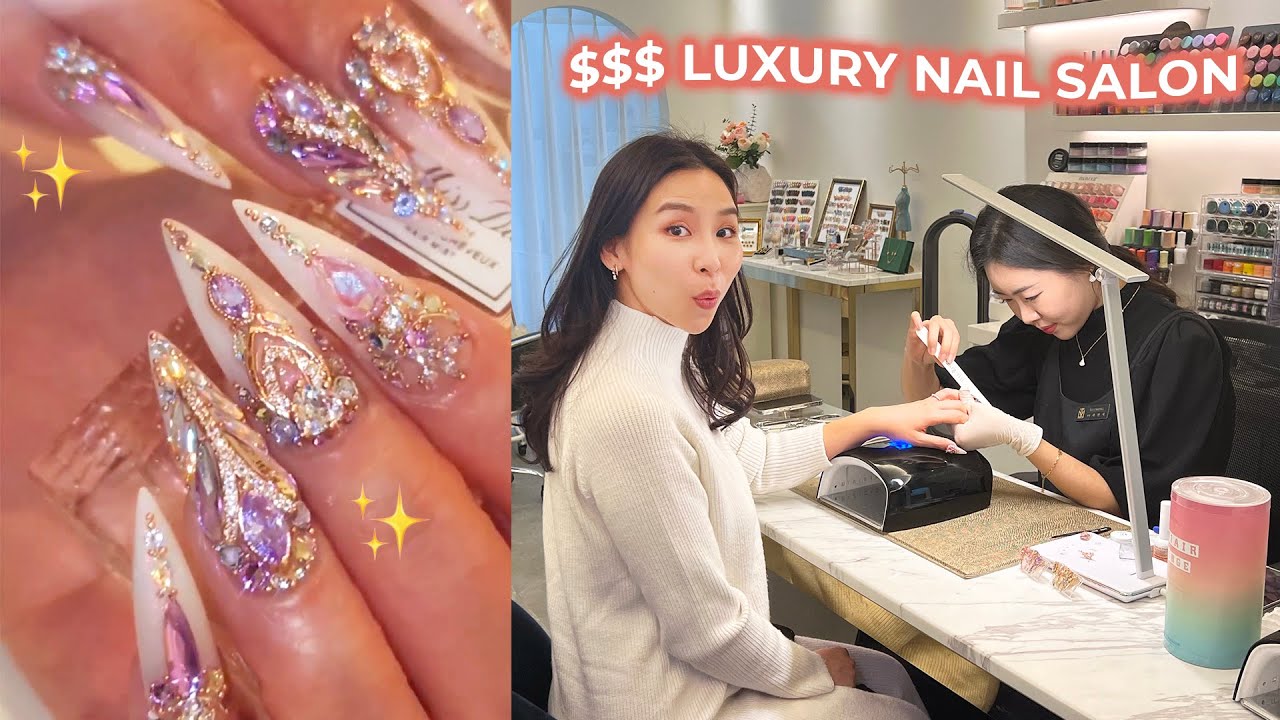
A strong salon relationship helps. When clients return to the same nail technician regularly, patterns become easier to spot. Maybe the thumb always peels because it gets the most pressure from phone use. Maybe the index finger chips because of keyboard habits. Maybe the pedicure issues return because shoes are too tight in the toe box. Tiny observations like that separate generic service from real expertise.
What professionals keep in their own routine
People often assume nail technicians always wear full nail enhancement sets themselves. Many do, and many also rotate between enhancements and practical low-maintenance looks depending on workload. The interesting part is not the style, it is the discipline behind it.
Most experienced professionals are consistent about oil, lotion, gloves, and tool care. They do not mindlessly overbuff. They respect the stress area of the nail. They replace dull files. They know when a fresh set is not the answer. That is the lived side of nail care that clients do not always see.
The same applies to product choice. Expensive does not automatically mean better, and trendy does not automatically mean safer. Reliable nail products earn their place because they perform predictably, cure correctly when used as directed, and suit the service being offered. The best technicians tend to be selective rather than flashy with their nail supplies.
A better standard for beautiful nails
Beautiful nails are not only long nails, complex nail art, or perfect salon photos. They are nails that suit the client, hold up reasonably well, and leave the natural nail and surrounding skin in good condition. That standard sounds simple, but it raises the bar in all the right ways.
A manicure should not leave the nail plate burning from overfiling. A pedicure should https://vipnailsandspaestero.com/ not ignore signs of irritation. Gel nails should not be peeled off in the car. Acrylic nails should not feel painfully heavy. Dip powder should not be rushed through unsafely. Nail extensions should not be so long that everyday life becomes a constant repair cycle.
When nail care is done well, even a very polished look still feels comfortable. The cuticles are neat, not raw. The shape flatters the hand. The color fits the person. The nail repair, if needed, is secure but not bulky. The entire service reflects skill, hygiene, and judgment.
That is what professional nail technicians aim for. Not just pretty nails for a day, but strong habits and smart choices that keep hands and feet looking good long after the appointment ends.